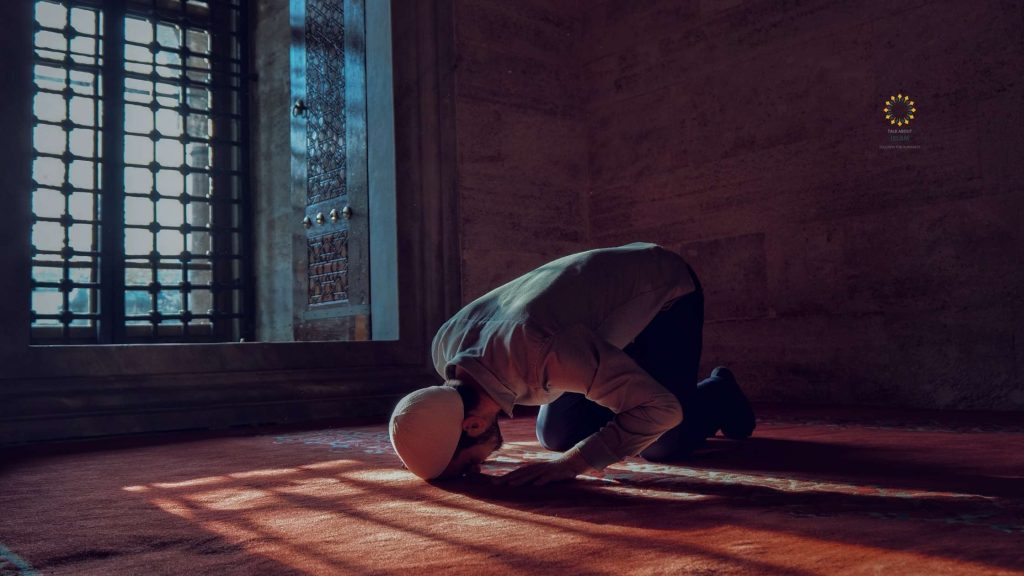
A person may protect every prayer, fast through Ramadan, and give generously in charity, yet still leave people wounded by their behaviour. It is tempting to believe that worship will outweigh the harm.
Islam gives a more serious answer to it. Good deeds do not make injustice harmless. If someone dies without settling the rights of those they wronged, some of those deeds may be given to the victims on the Day of Judgment. This warning urges us to repair harm while we still can.
The Prophet’s Warning About the Real Bankrupt Person
The Prophet Muhammad (PBUH) once asked his companions if they knew who was bankrupt. They answered that a bankrupt person had no money or property.
He then described someone who would arrive on the Day of Judgment with prayers, fasting, and Zakat. The same person, however, had insulted one individual, falsely accused another, taken someone’s wealth, shed blood, and beaten others.
The victims would receive from the wrongdoer’s good deeds. If those deeds ended before every claim was settled, their sins would be placed upon the wrongdoer. The person would then be thrown into the Fire (Hadith, Sahi Muslim).
The real tragedy was bringing a record of worship and losing its reward to people whose suffering had never been addressed.
Worship Cannot Cancel Another Person’s Rights
Islam does not separate devotion to Allah from the treatment of His creation. Although prayer, fasting, and charity are central acts of worship, they do not permit cruelty elsewhere.
A respectable religious appearance can hide unpaid money, family abuse, dishonest business, or damaged reputations. People may know nothing about these actions, but Allah does.
Harm Is Not Limited to Physical Violence
The Hadith begins with injuries caused by speech. Insults and false accusations may follow someone for years. The Holy Qur’an also forbids ridicule, offensive nicknames and backbiting (Qur’an 49:11–12).
Today, one humiliating post can be copied thousands of times. A rumour may damage a marriage, friendship or career. Sharing a private message can expose someone long after the sender regrets it.
Financial harm includes theft, fraud and deliberately withholding what another person is owed. Physical abuse is more obvious, but it is not the only injustice that creates a claim.
Not every disagreement is oppression. Islam allows honest correction, refusal, and reasonable boundaries. The warning concerns genuine wrongdoing, not another person’s disappointment whenever they do not get their way.
Can Allah Forgive Someone Who Hurt Others?
Allah’s mercy is greater than every sin, so nobody should believe that sincere change is impossible. Hope in Allah, however, must not become an excuse to escape responsibility.
The Prophet (PBUH) said that anyone who had wronged another person regarding their honour or anything else should seek pardon before the Day of Judgment. Money will be useless then. Good deeds will be taken according to the wrong committed (Sahih al-Bukhari).
Ultimately, a person should not assume that private prayers have settled someone else’s stolen wealth, damaged name, or untreated injury. Repentance begins with Allah, but it must also address the human consequences.
In fact, private repentance cannot replace returning someone’s property, correcting a lie, or accepting responsibility for an injury.
Real Repentance Tries to Repair the Damage
The wrongdoer must stop the behaviour, regret it sincerely and resolve not to repeat it. When another person’s rights are involved, repair is also necessary wherever possible.
Repentance may also require accepting consequences. Someone who repeatedly broke trust cannot demand immediate closeness because they apologised. The injured person may forgive while still needing distance, protection or time.
So, the purpose is not quick emotional relief for the offender. It is to restore as much as possible of what the victim lost.
What If an Apology Would Cause More Harm?
Some situations require care. Telling someone about old backbiting they never heard may create fresh pain. Contact from an abusive person could reopen danger or become another unwanted intrusion.
In fact, one rigid answer cannot cover every case. A trustworthy scholar can consider the harm, the victim’s safety, and whether direct contact would improve or worsen matters.
Moreover, the wrongdoer must still change. They can stop the sin, correct misinformation, protect the person’s reputation, and pray for them. Caution should prevent further injury, not provide an excuse to avoid responsibility.
Protect Your Good Deeds Before the Final Accounting
A believer should examine relationships as seriously as acts of worship. Whose money remains unpaid? Whose reputation was damaged? Who feels unsafe because harmful behaviour never changed?
Facing these questions now is an act of mercy. A returned payment, corrected lie, or honest apology may prevent a far harder reckoning.
So, what happens to your good deeds when you hurt other people? Unresolved injustice can transfer their reward to those you harmed. The answer is not hopelessness, but action. Put things right while an apology, repayment, and genuine change can still settle what will one day be judged without them.