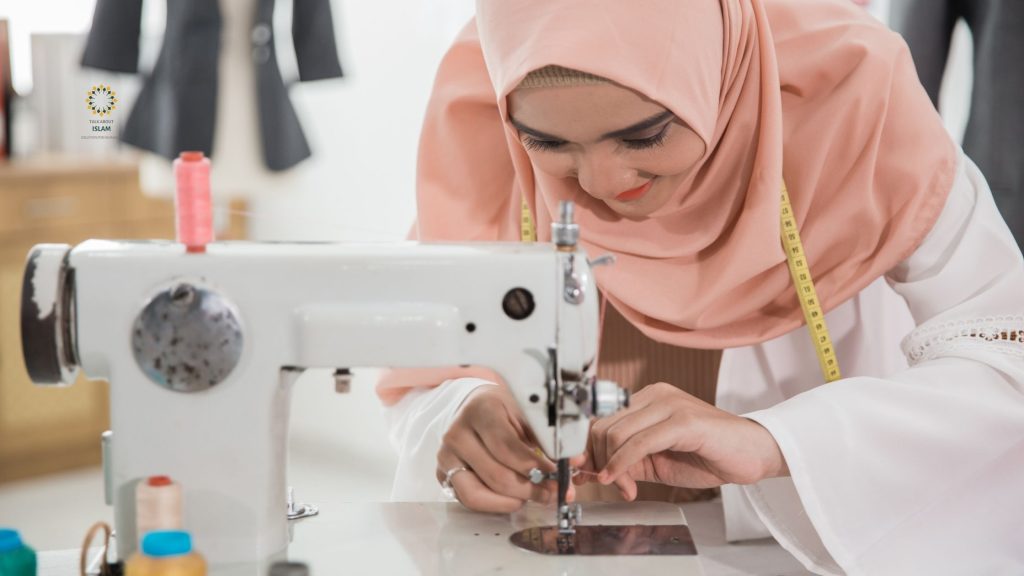
Some people think Islam wants Muslims to look plain, dull, or careless. They often imagine that if a person becomes religious, they must stop caring about clothes, beauty, fragrance, style, or personal appearance. This misunderstanding eventually makes many young Muslims feel confused. They wonder: “Can I dress nicely and still be close to Allah?” or “Is looking good a sign of pride?”
The simple and clear answer is no. Islam does not ban beauty, fashion, or good looks. In fact, Islam greatly admires beauty, cleanliness, elegance, and dignity. Allah created numerous manifestations of beauty in flowers, mountains, oceans, stars, human faces, good clothing, and pleasant manners. Islam does not ask believers to reject beauty. In fact, it teaches them to enjoy beauty in a clean, modest, and grateful way.
Allah Loves Beauty
One of the clearest teachings on this topic comes from the Hadith in which the Prophet PBUH said, “Allah is beautiful and loves beauty.” This beautiful statement clearly removes the idea that beauty is something shameful or un-Islamic. Beauty itself is not the problem. The actual problem begins when beauty becomes pride, immodesty, wastefulness, or a way to look down on others.
In the same Hadith, the Prophet PBUH explained that pride means rejecting the truth and looking down on people. This is extremely important to understand. Wearing good clothes does not automatically make someone arrogant. Using those clothes to feel superior to others is arrogance. Looking presentable is not wrong at all. Thinking you are better than people because of your appearance is actually wrong.
Islam Values Cleanliness and Dignity
Islam is a religion of cleanliness. A Muslim is encouraged to stay clean, wear decent clothes, smell pleasant, and appear respectable. This applies in every aspect of life, like prayer, gatherings, family life, work, and public spaces. The Holy Qur’an tells people to take their adornment at every place of worship and also warns against extravagance. So, this shows both beauty and balance.
Looking good can even be a form of gratitude. If Allah has given someone clothing, health, and resources, using them respectfully is not sinful. A clean shirt, neat hair, modest fashion, good perfume, and a dignified appearance can reflect appreciation for Allah’s blessings.
Therefore, this also protects Islam from a harsh image. A Muslim does not need to look miserable to be pious. Faith should bring light, cleanliness, and grace into a person’s life, not neglect.
Modesty Does Not Mean Looking Dull
Another common mistake is thinking that modesty means looking unattractive. Modesty in Islam is not ugliness at all. It is neither carelessness nor the absence of taste. Modesty means having defined boundaries.
A Muslim can wear beautiful colors, elegant clothes, and tasteful fashion while still respecting Islamic limits. The aim is not to erase personality, but to protect dignity. Islam guides both men and women to dress in a way that respects the body, avoids unnecessary display, and keeps the heart humble before Almighty Allah.
On the other hand, fashion becomes a problem when it pushes a person toward showing off, immodesty, obsession, imitation of harmful trends, or constant comparison. But fashion that remains clean, modest, and dignified is not banned simply on the basis that it looks beautiful.
When Beauty Becomes Harmful
A mirror can show the face, but it cannot show arrogance. That is why Muslims must ask deeper questions: Why do I want to look this way? Am I seeking dignity or attention? Am I grateful or proud? Am I following what pleases Allah or what only pleases people?
Beauty becomes harmful when it leads to the following:
- Pride over others
- Wasteful spending
- Immodest clothing
- Showing off on social media
- Seeking haram attention
- Judging people by appearance
Ultimately, Islam wants beauty to remain connected with purity, humility, and purpose.
Inner Beauty Comes First
Outer beauty matters, but inner beauty matters more than anything else. A person may wear the most expensive clothes yet speak harshly, lie, mock others, or carry arrogance in the heart. Another person may dress simply but have kindness, honesty, and humility. In Islam, character gives beauty its real value.
The Prophet PBUH was the best example of inner and outer dignity. His life showed cleanliness, simplicity, kindness, good manners, and respect for people. He did not teach Muslims to be careless, but to be humble.
So yes, take care of your appearance. Dress well within halal limits. Look clean and presentable. Enjoy the beauty Allah has placed in this world, but never let outer beauty destroy the beauty of the heart.
Final Thoughts
In a nutshell, Islam does not ban or dislike beauty, fashion, or looking good in any way. It largely admires beauty and teaches Muslims to carry it with modesty, gratitude, and humility. The real goal is not to look dull, nor to chase every trend. The goal is to look dignified while staying close to Allah.
In fact, true Islamic beauty is when the outside is clean, the clothing is modest, the heart is humble, and the intention is pleasing to Almighty Allah.