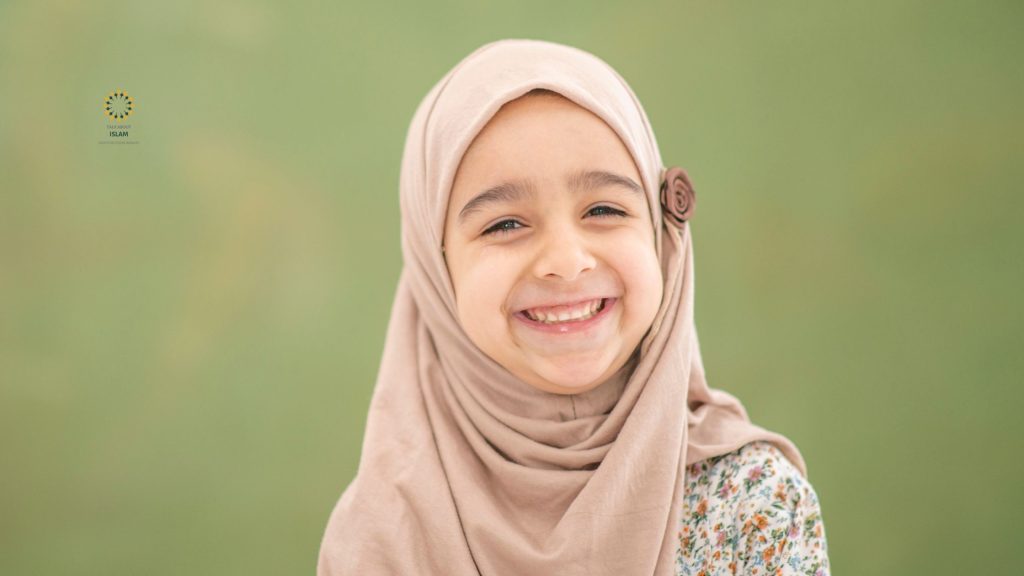
Some people imagine that a practicing Muslim must always look serious, quiet, and sad. They often think religion means losing joy, avoiding laughter, and living with a heavy face all the time. This misunderstanding makes Islam look dry, while Islam actually guides human beings toward a meaningful and incredibly beautiful life.
In fact, Islam neither wants Muslims to be gloomy nor does it teach people to hate happiness or feel guilty for smiling. A Muslim is encouraged to laugh, enjoy family time, eat good food, relax, joke kindly, and live a healthy life. The important thing is that joy remains halal and does not make the heart forget Almighty Allah.
Islam Is Not a Boring Way of Life
Islam is serious about purpose, but it is not boring. It teaches us why we are here, where we are going, and how to live with dignity. That does not mean life should become colorless, as Islam gives happiness a deeper meaning by connecting it with gratitude.
The Qur’an says, “Seek, through what Allah has given you, the home of the Hereafter; but do not forget your share of this world” (The Holy Qur’an 28:77). A believer lives for the Hereafter, but does not reject the lawful blessings of this life.
A good meal, a peaceful walk, a family gathering, and kind conversation can all become blessings when enjoyed with gratitude. Islam just asks to cleanse joy from sin, arrogance, and emptiness.
The Prophet PBUH Smiled and Showed Warmth
The Prophet Muhammad (PBUH) was the best example of faith, and his life was not harsh or emotionally cold. In fact, he smiled warmly, showed mercy, listened to people, comforted children, and treated his family with kindness. His beautiful character came with gentleness.
The Prophet PBUH said, “Your smile for your brother is charity”. This means a smile can be an act of worship when it brings comfort and goodness to another person.
Sometimes people mistake a hard face for strong faith. But Islam does not teach that harshness is piety. A person can pray, fast, remember death, and still smile at people with mercy.
Halal Happiness Is a Blessing
Happiness in Islam is not limited to religious gatherings only. There can be joy in Eid, marriage, family meals, friendship, children’s laughter, nature, halal humor, and simple daily moments. These joys are not outside religion when they remain pure and lawful.
Moreover, the Qur’an says, “Say, in the bounty of Allah and in His mercy — in that let them rejoice” (Holy Qur’an 10:58). This evidently teaches that rejoicing in Allah’s mercy and blessings is not wrong.
However, Islam only stops happiness when it becomes harmful. A Muslim does not need alcohol, dirty jokes, immodesty, cruelty, or disobedience to enjoy life. Islam teaches joy without guilt, laughter without lies, and fun without harming the soul.
The Story of Hanzalah R.A
The story of the companion of the Holy Prophet PBUH, named Hanzalah (R.A.) explains this topic beautifully. Hanzalah R.A once became worried about himself. When he was with the Prophet PBUH, he felt deeply spiritual and aware of the Hereafter. But when he returned home to his wife, children, and daily life, that feeling became lighter. He feared this made him a hypocrite.
He went to the close companion of the Prophet PBUH, Abu Bakr R.A., who said he felt the same. Then they went to the Prophet PBUH. The Prophet PBUH explained that if people remained in the same spiritual state all the time, angels would greet them in the streets. Then he said, “There is a time for this and a time for that” (Sahih Muslim 2750).
This story is full of mercy and understanding. It shows that Islam completely understands human life. A Muslim has moments of worship, family, work, rest, and normal happiness. Faith does not mean a person must always feel the same emotional intensity. The important thing is to keep returning to Allah.
Sadness Is Human, Not a Sign of Failure
Islam allows happiness, but it also understands sadness. A believer is not expected to pretend that everything is fine. Prophet Yaqub A.S. grieved for Yusuf A.S., yet he remained patient and turned to Allah. Prophet Muhammad PBUH also experienced grief and pain, but his trust in Allah never broke.
Feeling sad does not mean someone has weak faith. Islam gives the heart hope through prayer, dua, dhikr, patience, gratitude, and trust in Almighty Allah.
So, the best life is not a life without laughter, but a life where laughter, love and joy remain connected to Allah and the Hereafter.