
There are moments in everyone’s life when the heart feels heavy. A person prays, but the words feel distant. The Holy Quran is opened, yet the mind wanders. Acts of worship start to feel more like effort than nourishment. This is not an extraordinary condition, but many sincere Muslims also experience these quiet struggles. However, they rarely speak about this. This state has a name of “Spiritual Burnout”.
Islam does not shame a tired heart as it deeply understands and heals it. Moreover, it guides a believer back toward peace with gentleness, not pressure.
Islam Recognizes Human Exhaustion
Spiritual burnout is not proof of weak faith. It is a sign that the heart, like the body, becomes tired. The Prophet Muhammad (peace be upon him) said:
“This religion is easy, and no one makes it hard upon himself except that it will overwhelm him.” (Sahih Bukhari)
This hadith captures Islam’s recognition that believers can become fatigued, overwhelmed, or stretched beyond their emotional capacity. Even the Quran acknowledges human vulnerability:
“Allah intends ease for you and not hardship.” (Surah Al-Baqarah 2:185)
“Humankind was created weak.” (Surah An-Nisa 4:28)
These verses do not condemn weakness, but they explain it with compassion.
Even the Strongest Hearts Faced Fatigue
The lives of the prophets show that exhaustion is not a failure. When the Prophet (peace be upon him) returned from Ta’if after facing rejection and harm, he felt deep emotional pain. Allah revealed words of reassurance and support. The Quran often comforted him during moments of sorrow and heaviness.
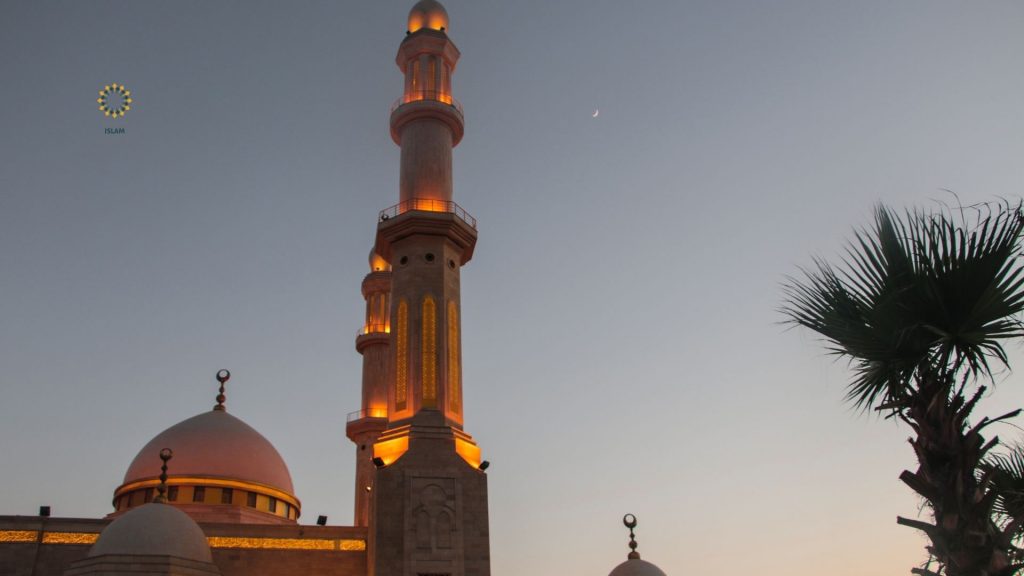
Spiritual burnout, then, is part of the human journey, even for the most beloved servants of Allah. A believer’s heart rises and falls, just as the moon waxes and wanes.
Understanding Spiritual Burnout
Burnout often comes from a mix of emotional, mental, and spiritual strain. Islam acknowledges all of these layers.
Emotional Fatigue
Life brings grief, stress, losses, and disappointments. These emotions can weigh so heavily that the heart struggles to stay connected to worship. Allah reminds us:
“Indeed, with hardship comes ease.” (Surah Ash-Sharh 94:6)
This ayah serves as reassurance that emotional heaviness is temporary and recognized by Allah.
Mental Overload
Work, family responsibilities, studies, and daily pressures can cloud the mind. When the mind is overwhelmed, worship becomes harder to focus on. The Prophet (peace be upon him) taught balance and warned against pushing oneself beyond what is sustainable.
Spiritual Overexertion
Sometimes burnout comes from trying to do everything at once, such as long prayers, many pages of the Quran, volunteering, and constant commitments. The Prophet (peace be upon him) advised:
“Do deeds according to your capacity. Allah does not grow tired, but you grow tired.” (Sahih Bukhari)
This reminder invites gentleness toward oneself.
Islam Heals Burnout With Mercy, Not Pressure
Whenever the heart feels distant, Islam offers mercy first. Allah describes Himself as Most Forgiving and Most Merciful more than any other attributes.
Another comforting hadith teaches:
“The most beloved deeds to Allah are those done consistently, even if small.” (Sahih Bukhari)
This shows that Allah does not demand intensity, but He values sincerity. Even the smallest act, done with a pure heart, is precious.
Steps to Gently Heal Spiritual Burnout
Healing does not come from force. It comes from softness, patience, and an honest connection with the self. Islam offers a clear path to renewal.
1. Slow Down Instead of Stopping
Instead of abandoning worship, reduce expectations. Pray slowly, read a few verses, and make a short dua. A small step is still a step.
2. Return to Simplicity
Detach from the idea that worship must always feel powerful. Sometimes, quiet remembrance is enough. Allah says:
“Remember Me, and I will remember you.” (Surah Al-Baqarah 2:152)
Even brief moments of remembrance can revive a tired heart.
3. Rest Is Also Worship
The Prophet (peace be upon him) rested, slept well, walked, and spent time in nature. These are not distractions, but are part of a healthy spiritual life. A rested heart worships better.
4. Seek Support When Needed
The Prophet (peace be upon him) uplifted his companions through reassurance and companionship. Speaking to someone, seeking advice, or sharing what feels heavy can lighten the burden.
5. Refill the Heart With Hope
A tired believer is still a beloved believer. Allah calls out:
“Do not despair of the mercy of Allah.” (Surah Az-Zumar 39:53)
Hope is the heart’s medicine.
Allah Loves the Returning Heart
One of the most beautiful truths in Islam is that Allah loves the heart that returns to Him, even if it returns tired, broken, or weakened.
“Indeed, Allah is with the patient.” (Surah Al-Baqarah 2:153)
A moment of sincere effort is more valuable than a thousand empty actions. Burnout does not push a believer away from Allah; it often brings them closer.
A Tired Heart Still Belongs to Allah
Spiritual burnout is real, human, and understood by Islam. Allah does not expect perfection. He expects honesty, sincerity, and gentle effort. When the heart feels heavy, Islam does not command more struggle, but it offers mercy.
A tired heart is still a heart loved by Allah, and every small step back toward Him is a step filled with reward, peace, and hope.

