A person can live a very busy life and still feel strangely disconnected. Mostly, the day may be full of strenuous work, messages, meals, travel, conversations, plans, and worries, yet the heart can still feel as if it has not paused for a long time. Islam truly understands this about human life. That is why prayer is not left for one day of the week, one season, or only the moments when a person feels broken.
Some people might question: Why do Muslims pray? They pray five times a day because the heart needs regular return. Salah (prayer) is not simply a religious routine. It is ultimately a daily meeting with Allah, a pause from the noise of life, and a reminder that human beings are more than their jobs, problems, desires, and achievements.
From the outside, prayer may look like repeated movements and words. But inside Islam, it is much deeper. It is remembrance, discipline, gratitude, humility, equality, and peace brought into the rhythm of everyday life.
Prayer Is Not for Allah’s Need
The first thing to understand is that Muslims do not pray because Allah needs human worship. Allah is complete, perfect, and free of need. A person’s prayer does not add anything to Allah’s greatness, and a person’s neglect does not take anything away from Him.
The Holy Qur’an says, “Establish prayer for My remembrance.” This gives the clearest meaning of Salah. Prayer helps a person remember Allah in a world that easily makes people forget Him.
A person may take care of the body every day through food, sleep, and cleanliness. Islam teaches that the soul also needs care. Without remembrance, the heart can become dry, proud, restless, or lost. Salah brings the heart back before it drifts too far.
Why Five Times Every Day?
The five prayers are spread across the day because human beings change throughout the day. A person may wake up calm but become stressed by noon. A person may begin the day grateful but become impatient by the afternoon. A person may have good intentions in the morning but forget them by evening.
Islam does not ignore this human weakness. Therefore, it gives the believer repeated chances to return.
Fajr comes before sunrise, when the world is quiet and the day has not fully begun. Dhuhr comes after midday, when work, study, and daily responsibilities are active. Asr arrives in the late afternoon, when the day is passing quickly. Maghrib comes just after sunset, when light fades and the evening begins. Lastly, Isha closes the day before sleep.
These prayers divide the day into moments of awareness. They remind the believer that Allah is not only remembered in a mosque or during hardship. He is remembered in the middle of ordinary life.
Prayer Gives Life a Rhythm
Every person lives by some kind of schedule. Work, school, meals, meetings, and even phones and apps shape the rhythm of the day. Islam gives the heart its much-needed rhythm through prayer.
This rhythm is meant to be protected through prayer. Salah teaches that life should not be swallowed completely by business, entertainment, anxiety, or ambition.
A person may be in an office, a shop, a university, a home, or on a journey. When the time for prayer arrives, the message is the same: pause, remember your Creator, and return with a cleaner heart.
In this way, prayer does not take people away from life. It helps them return to life with more balance.
A Break From the Noise
Modern life is loud even when the room is silent. There are notifications, deadlines, arguments, news, pressure, comparison, and constant movement. Many people rarely sit with themselves, let alone stand before their Creator.
Salah creates a protected space during the day. For a few minutes, a Muslim puts the world aside. The phone is no longer the centre. Other people’s opinions are no longer the centre. Money, status, and stress are no longer the centre. The person stands before Allah and remembers what is permanent.
This is one reason prayer can be deeply calming. It does not always remove the problem, but it changes the person facing the problem. It reminds the heart that it is not alone.
Why Muslims Face One Direction
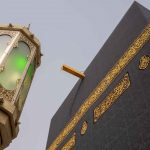
Muslims pray facing the Kaaba in Mecca. This direction is called the Qiblah. It is crucial to understand that Muslims do not worship the Kaaba. They worship Allah alone.
The Qiblah gives Muslims one shared direction. Across the world, millions of people turn toward the same point in prayer. Different languages, cultures, colours, and countries are gathered into one act of worship.
This creates a powerful sense of unity. A person praying in Nigeria, Turkey, America, Indonesia, or Europe is part of the same spiritual direction. Islam turns scattered individuals into one worshipping community.
Prayer Teaches Equality
In congregational prayer, Muslims stand shoulder to shoulder. A wealthy person may stand beside a worker. A teacher may stand beside a student. A ruler may stand beside an ordinary citizen. Ultimately, their social positions do not decide their place before Allah.
Salah quietly removes many illusions. It reminds people that status, beauty, money, race, and nationality do not make a person greater in the sight of Allah. What matters is sincerity, humility, and righteousness.
This lesson is repeated every day. It is not only spoken in sermons but actively practised in rows of prayer.
Is Prayer Only About Obligation?
Although prayer is an obligation in Islam, it is not meant to be a cold burden. Like many meaningful things in life, it requires discipline before its sweetness is fully felt.
Naturally, a person may not always feel spiritually strong. Some prayers may feel convenient while others may feel heavy. Some days the heart is present, and other days the mind wanders. Islam does not ask people to give up because they are imperfect. It invites them to keep returning.
The five daily prayers are one of Islam’s most beautiful gifts because they keep the door to Allah open throughout the day. A person does not need an appointment, a special place, or a perfect emotional state. When the time for prayer comes, the invitation is already there!